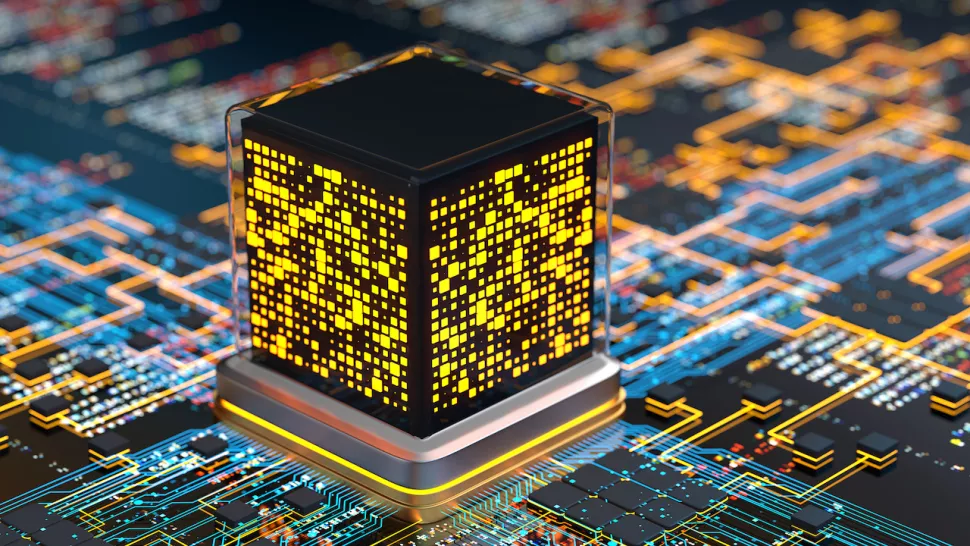
Ensuring the Security of Quantum Computers 🔒

Quantum computers are a type of computer that utilizes quantum mechanics to store and process data. They have the potential to significantly increase processing speeds for certain tasks, making them a promising technology for fields such as artificial intelligence, weather forecasting, and financial modeling.

There are two main types of quantum computers:

  1. Quantum Annealers: These computers use quantum effects to find the lowest energy state of a system, which can be used to solve optimization problems.
  2. Universal Quantum Computers: These computers are able to run any quantum algorithm and have the potential to perform any computation that a classical computer can. They are the more versatile type of quantum computer, but are also more complex and difficult to build.

There are also hybrid quantum computers, which combine elements of both quantum annealers and universal quantum computers.

Quantum computers have the potential to revolutionize the field of computing by offering significantly faster processing speeds for certain tasks. However, with this increased power comes the need for stronger security measures to protect against potential threats.

One of the unique security challenges presented by quantum computers is the ability to perform “quantum hacking.” This refers to the use of quantum algorithms to break through traditional security protocols, such as those used in cryptography.

To combat this threat, researchers are exploring the use of quantum-resistant algorithms. These algorithms are designed to be secure even against attacks by quantum computers.

Another potential security concern is the physical security of the quantum computers themselves. These systems can be delicate and sensitive to outside interference, making them vulnerable to tampering or sabotage. Ensuring the secure handling and storage of quantum computers is crucial to prevent any unauthorized access.

In addition to these measures, it is important to regularly update and patch any software used on quantum computers to prevent against vulnerabilities.

Overall, the security of quantum computers will require a combination of both technological and physical safeguards to ensure their protection against potential threats. By staying vigilant and proactive in addressing security concerns, we can fully realize the potential of these groundbreaking technologies.


Cryptocurrency 2.0: The Future of Digital Currency

In the decade since the launch of Bitcoin, cryptocurrency has become a household name and a major force in the world of finance. But what does the future hold for this rapidly-evolving technology?

One trend that is likely to shape the future of cryptocurrency is the increasing adoption of blockchain technology. Blockchain is a decentralized, secure, and transparent ledger that allows for the tracking and verification of transactions without the need for a central authority. As more and more industries begin to adopt blockchain, it’s likely that we’ll see a wider range of applications for cryptocurrency as well.

Another trend to watch out for is the emergence of stablecoins. These are cryptocurrencies that are pegged to a specific asset, such as the US dollar, in order to provide a more stable and reliable store of value. Stablecoins have the potential to make cryptocurrency more accessible and user-friendly for mainstream consumers, as they offer a way to avoid the volatility and risk associated with traditional cryptocurrencies.

Cryptocurrency 2.0, also known as “altcoins,” refers to the next generation of cryptocurrencies that build upon the technology and concepts introduced by Bitcoin. These altcoins often have additional features or capabilities that differentiate them from Bitcoin and other first-generation cryptocurrencies.

Some examples of cryptocurrency 2.0 technologies include smart contracts, decentralized applications (DApps), and decentralized autonomous organizations (DAOs). These technologies allow for more complex and sophisticated transactions to take place on the blockchain, and have the potential to revolutionize a wide range of industries.

While Bitcoin and other first-generation cryptocurrencies have laid the foundation for the cryptocurrency industry, it’s clear that there is still much room for innovation and growth. As such, many experts believe that cryptocurrency 2.0 technologies will play a central role in the future development and adoption of cryptocurrency.

Finally, the future of cryptocurrency could be influenced by the development of new technologies such as quantum computing and artificial intelligence. These technologies have the potential to significantly impact the security and efficiency of cryptocurrency systems, and could potentially lead to the development of entirely new types of cryptocurrencies.

In conclusion, the future of cryptocurrency is an exciting and dynamic space, full of endless possibilities and opportunities. As the technology continues to evolve and mature, it’s likely that we’ll see even more transformative developments in the years ahead. Stay tuned!


The Future of Cryptocurrency: A Technological Perspective

Category : Technology

Cryptocurrency has come a long way since the release of Bitcoin in 2009. What started as a relatively niche and obscure technology has now become a mainstream phenomenon, with millions of people around the world using and investing in various types of cryptocurrencies.

But what does the future hold for this rapidly-evolving field? In this blog post, we’ll explore some of the key technological trends and developments that are shaping the future of cryptocurrency.

One of the most significant trends in the world of cryptocurrency is the increasing adoption of blockchain technology. Blockchain is a decentralized, secure, and transparent ledger that allows for the tracking and verification of transactions without the need for a central authority. This technology has the potential to revolutionize many different industries, from finance and banking to supply chain management and beyond.

Another important trend in the world of cryptocurrency is the emergence of stablecoins. These are cryptocurrencies that are pegged to a specific asset, such as the US dollar, in order to provide a more stable and reliable store of value. Stablecoins have the potential to make cryptocurrency more accessible and user-friendly for mainstream consumers, as they offer a way to avoid the volatility and risk associated with traditional cryptocurrencies.

Finally, the future of cryptocurrency is likely to be influenced by the development of new technologies such as quantum computing and artificial intelligence. These technologies have the potential to significantly impact the security and efficiency of cryptocurrency systems, and could potentially lead to the development of entirely new types of cryptocurrencies.

Overall, the future of cryptocurrency is an exciting and dynamic space, full of endless possibilities and opportunities. As the technology continues to evolve and mature, it’s likely that we’ll see even more transformative developments in the years ahead. So, it’s a good idea to keep an eye on the developments in this field.